
Working with the student’s learning style, a wide variety of methods and resources are used to develop learning and study skills, underpin letter/sound & spelling pattern knowledge and build confidence.
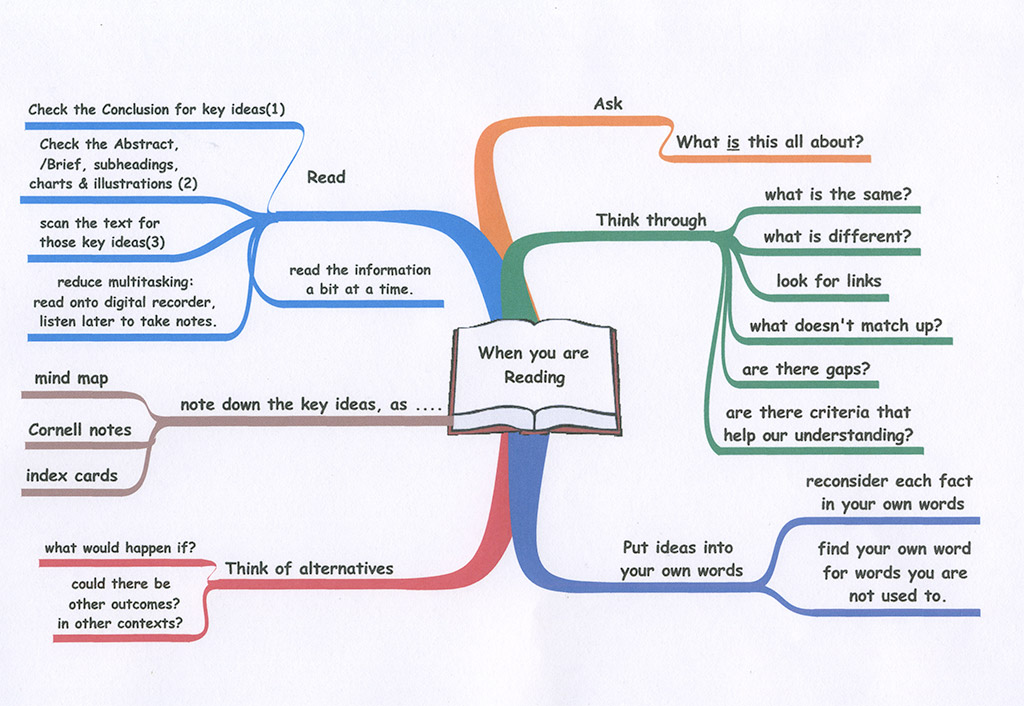 “I’ve got lots of ideas, I know what I want to say but I can’t get them down on paper.”
We can use mind-mapping, IT programmes such as Inspiration or Kidspiration, as part of a structured process to gain efficient ways to: collect notes, retrieve information from text, analyse data, plan and write concisely argued essays, plot and evaluate timely presentations, prepare for exams, complete dissertations. Useful Links: ADSHE; Diversity and Ability Matters (DnAmatters.co.uk); Adult Dyslexia Organisation; CALSC; IDA.
_____________________________________________________________________________

“I can read everything he writes, but none of it is spelt correctly.”
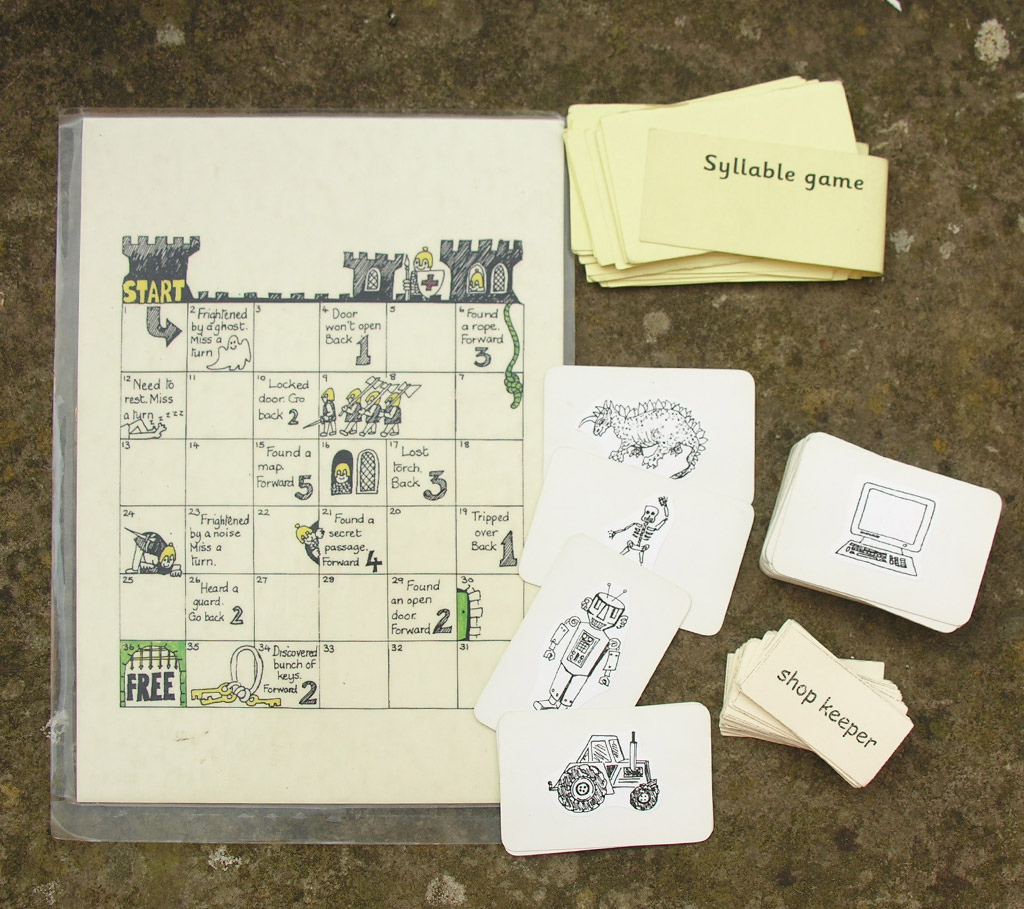
Word card games, sound tracking with colour cubes and language programmes including Wordshark, Catchup or Nessy are used to build regular spelling pattern knowledge. Maths strategies including Numbershark give a good foundation for gaining multiplication and basic maths abilities. Here is a link to Racing Demon – a family word game to make and play at home. Useful Links: BDA, British Dyslexia Association; Patoss, IDA, International Dyslexia Association, Forum: DysTalk
_____________________________________________________________________________
 “The letters keep jumping about and I lose my place” “Reading gives me headaches.”
Assessment can be made for the colour overlay which best gives clarity when reading as an initial, practical solution to help letters ‘stay in place’. Other practical solutions are also followed. Useful Link: Minnesota Vision Therapy.
_____________________________________________________________________________
 “My hand aches when I write.” “His writing is all over the place.” “He is always bumping into things.”
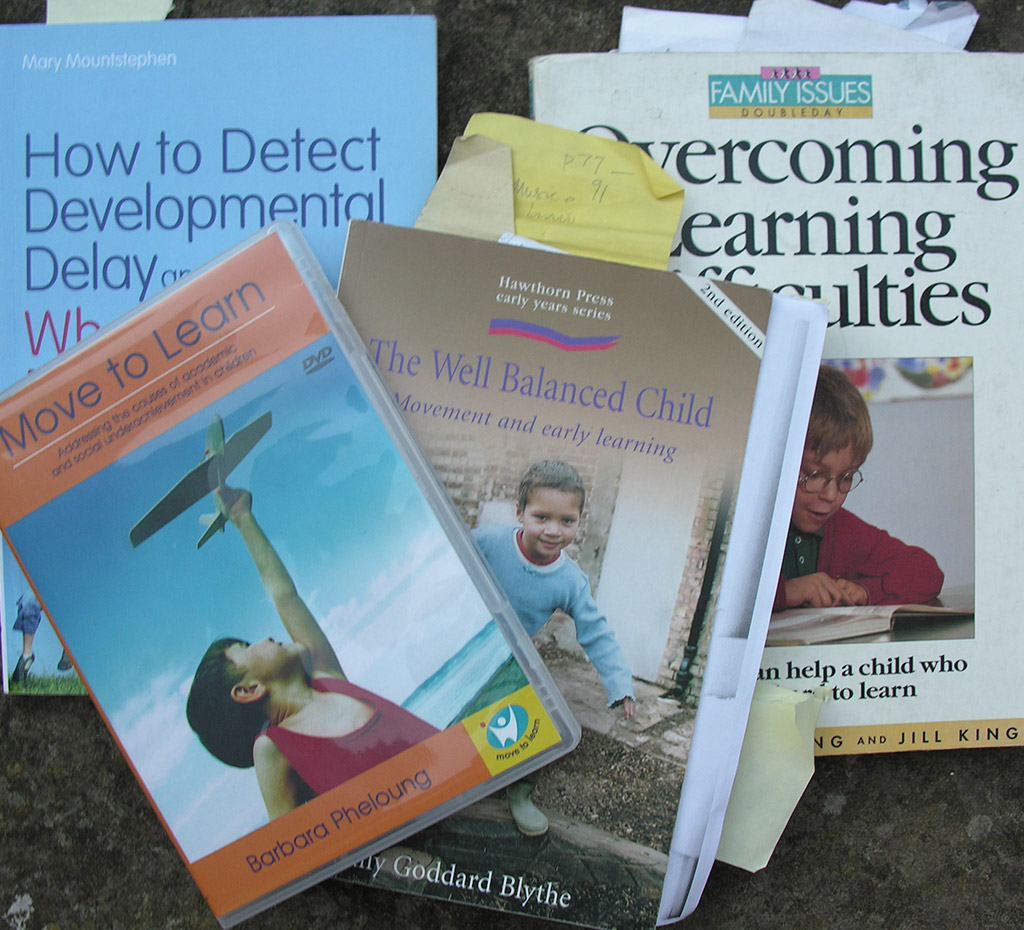
Neuro-Developmental Delay exercises, from INPP, Chester, or Move to Learn, are used to help the child gain muscular control and thus better co-ordination of their body, as well as enabling steadier visual tracking. The progress of these exercises is recorded in the children’s “Draw a Man” test, examples are shown here.
To give you some idea of the expressive exercises used, here is a link to footage of a student demonstrating these. These are designed to be enjoyable whilst helping gain a sense of balance, rhythm and help to improve eye-hand co-ordination in such skills as hand-writing.
The Listening Programme can also be followed to generate sequencing and co-ordination, so improving balance, slowing and structuring processing skills, enabling calming and focus.
Useful links: INPP, Chester; Move to Learn; Minnesota Vision Therapy.
_____________________________________________________________________________
 “He finds it difficult to get his ideas in the right order. The teacher says he loses focus and wanders off task.”
Jane Mitchell’s memory strategies encourage students to analyse and sequence ideas so that strong memory pathways are built. As there is a place (in the brain) for everything and everything (in the brain) is in its place, these simple exercises enable us to retrieve words and ideas more efficiently. This process helps build a wider, active vocabulary. Useful Link: CALSC
_____________________________________________________________________________
Referral to other professionals can be made, for example, to opticians with a particular knowledge of dyslexia.